If you are thinking about a move to Lansing, Illinois, you probably want more than a map pin and a few listing photos. You want to know what daily life feels like, what kinds of homes are available, and whether the area fits your budget and routine. This guide walks you through the basics of living in Lansing, from community amenities to housing choices, so you can make a more confident move. Let’s dive in.
Lansing at a glance
Lansing is a south Cook County village with an estimated 2025 population of 28,068. The village sits near the crossroads of I-80, I-94, and I-294, and it is about 25 miles from downtown Chicago. That location helps explain why Lansing appeals to people who want suburban living with access to the wider region.
The housing base also looks relatively steady. Census data shows 11,236 households, 2.50 persons per household, and a 71.9% owner-occupied rate. Another notable figure is that 91.7% of residents were living in the same house one year earlier, which suggests a community with a stable residential pattern.
Everyday life in Lansing
One of Lansing’s biggest draws is that it offers more than just housing. The village highlights a small-town feel, but it also has shopping areas, local events, and established community amenities. That combination can make daily life feel convenient without losing a neighborhood-centered atmosphere.
The Lansing Public Library serves as a cultural hub, and it also houses the Lansing Historical Society Museum. If you enjoy having public spaces that support learning, local history, and community activity, that is a meaningful part of the village’s identity.
Parks and recreation options
Lansing has more than 125 acres of park land, and the Lan-Oak Park District maintains 20 parks. For many buyers, that matters because access to parks and recreation can shape how you spend your weekends and free time.
The park district also offers fitness, recreation, and programming for residents. Its offerings include the Eisenhower Community & Fitness Center, swim lessons, and youth and adult programs. If you want a community where recreation is already built into the local infrastructure, Lansing gives you several options.
Local events and community activity
Seasonal events help give Lansing a strong local rhythm. The village highlights celebrations such as Good Neighbor Day and the Grande Ole Fourth of July celebration. These kinds of recurring events can make it easier to feel connected to the community over time.
The local business scene also adds to that sense of activity. The Lansing Area Chamber of Commerce points to events like wine walks, block parties, ribbon cuttings, and business-after-hours gatherings. For residents, that means there is often something happening beyond day-to-day errands.
Shopping and dining in Lansing
Lansing is not only a residential community. The village points to several distinct commercial corridors that support daily convenience and local business activity. That can be an important plus if you prefer having shopping and dining close to home.
Ridge Road is home to the downtown shopping district and Park Plaza. Torrence Avenue and Burnham Avenue add more shopping and dining options. Together, these areas give Lansing a broader commercial footprint than some buyers may expect from a suburban village.
Housing in Lansing, Illinois
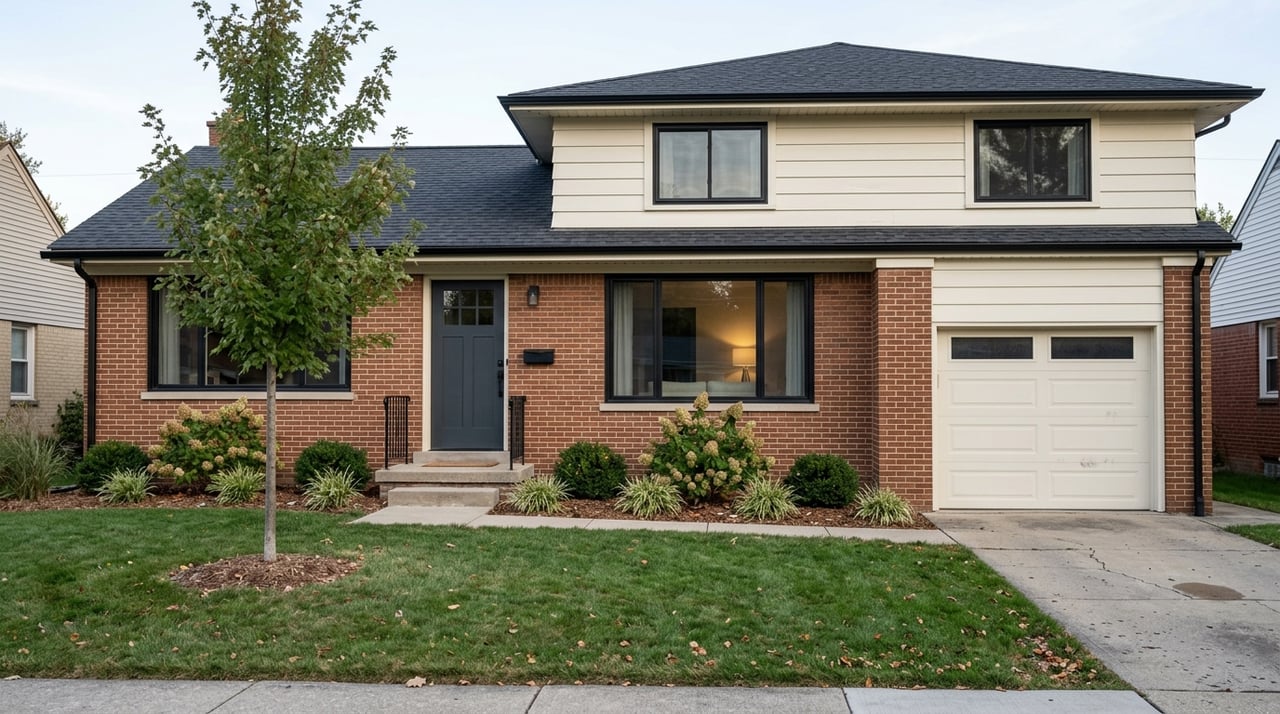
If housing variety matters to you, Lansing is worth a closer look. While the market is mostly made up of single-family homes, the local housing stock also includes condos and multifamily properties. That mix can create more paths for first-time buyers, move-up buyers, downsizers, and small-scale investors.
According to DePaul University’s housing data portal, Lansing’s 2024 housing stock was 69.9% single-family, 8.3% condominiums, 5.1% buildings with 2 to 4 units, and 16.7% buildings with 5 or more units. In simple terms, most of the market is still detached housing, but there is also a measurable supply of other property types.
What the housing mix means for buyers
If you are buying in Lansing, the local inventory can support different goals. A single-family home may appeal if you want more private space and a traditional suburban setup. A condo may be worth exploring if you want a different ownership option, and small multifamily properties may interest buyers looking at house hacking or investment potential.
That variety matters because it gives you more than one way to enter the market. Instead of focusing on a single home type, you can compare options based on your budget, lifestyle, and long-term plans.
What the housing mix means for sellers
If you own property in Lansing, understanding the local mix helps with positioning. A single-family home is part of the largest segment of the market, while condos and smaller multifamily properties serve more specific buyer groups.
That is where presentation and pricing become important. When your property is marketed with a clear understanding of where it fits in Lansing’s housing landscape, it can be easier to attract the right audience.
Lansing housing costs and values
For many buyers and sellers, affordability is one of the first questions. Census QuickFacts lists the median value of owner-occupied homes in Lansing at $177,000. That figure offers a useful starting point for understanding the village’s overall price level.
The same source reports median monthly owner costs with a mortgage of $1,650 and median monthly owner costs without a mortgage of $825. Median gross rent is listed at $1,268. These numbers can help you compare the cost of owning versus renting as you plan your next move.
Recent sales activity
Sales activity helps show where transactions are happening across property types. In 2024, the housing data portal recorded 308 single-family sales, 72 condo sales, 13 sales of 2 to 4 unit buildings, and 6 sales of 5 or more unit buildings in Lansing.
Those numbers reinforce the idea that single-family homes lead the market, while condos and multifamily properties remain part of the local housing picture. If you are buying or selling, this mix can help shape expectations around inventory and demand.
Commuting from Lansing
For many households, location is not just about the home itself. It is also about how easily you can get where you need to go. Lansing’s location near I-80, I-94, and I-294 is one of its clearest practical advantages.
Census data shows a mean travel time to work of 32.6 minutes. That supports Lansing’s role as a suburb where road access plays a major part in everyday life. If you commute by car, the expressway network is likely to be a key part of your decision.
Transit and local connections
Lansing also has a transit option for local trips. Pace’s Lansing Area On Demand offers weekday and Saturday shared-ride service within a defined service zone. Pace also lists connections to routes 353, 358, and 364.
For some residents, that can provide useful backup to a car-first lifestyle. It may also help with local errands, appointments, or connections to other transit routes.
Is Lansing a good fit for you?
Lansing may be a strong match if you want a south Cook County location with suburban stability, access to major expressways, and a housing market that includes more than one ownership path. The village combines a largely owner-occupied housing base with parks, recreation, shopping corridors, and recurring community events.
It can also be appealing if you want options. Whether you are searching for a single-family home, considering a condo, or exploring a duplex or small multifamily property, Lansing offers a broader housing mix than some buyers expect.
If you are preparing to buy, sell, relocate, or explore investment opportunities in Lansing, working with a team that understands both southern Cook County and nearby regional markets can make the process much smoother. To get your free instant home valuation or schedule a consultation, connect with Larita Thomas.
FAQs
What is everyday life like in Lansing, Illinois?
- Everyday life in Lansing includes access to parks, recreation programs, shopping corridors, community events, and local amenities like the Lansing Public Library and Lansing Historical Society Museum.
What types of homes are available in Lansing, Illinois?
- Lansing’s housing stock includes mostly single-family homes, along with condominiums, 2 to 4 unit buildings, and larger multifamily properties.
What are housing costs like in Lansing, Illinois?
- Census data lists Lansing’s median owner-occupied home value at $177,000, with median monthly owner costs of $1,650 with a mortgage and median gross rent of $1,268.
Is Lansing, Illinois good for commuters?
- Lansing offers strong road access near I-80, I-94, and I-294, and Census data shows a mean travel time to work of 32.6 minutes. Pace also provides Lansing Area On Demand shared-ride service.
Is Lansing, Illinois mostly owners or renters?
- Census QuickFacts reports that 71.9% of Lansing housing units are owner-occupied, which points to a largely owner-occupied community.
Does Lansing, Illinois have condos or multifamily properties?
- Yes. DePaul University housing data shows Lansing includes condos as well as 2 to 4 unit and 5+ unit buildings, giving buyers and investors more than one property type to consider.