Wondering if Greater Grand Crossing could be the right place to buy in Chicago? If you want a neighborhood with a lower price point than several nearby South Side markets, older housing with character, and real room to compare options, this area deserves a closer look. The key is knowing how to read the market, evaluate property condition, and match your budget to your goals. Let’s dive in.
Why buyers look at Greater Grand Crossing
Greater Grand Crossing offers a value-oriented entry point compared with several nearby South Side neighborhoods. In May 2026, the median sale price was $237,420, which puts it below Chatham, Bronzeville, and Woodlawn, while above South Shore.
That price position matters if you are trying to balance affordability with access to Chicago neighborhoods that still offer a range of housing choices. For many buyers, this creates a practical middle ground where you can find single-family homes, two-units, and small multifamily buildings at different price levels.
What the housing stock looks like
One of the biggest things to understand about Greater Grand Crossing is that the housing stock is older. CMAP data shows a median year built in the late 1930s to early 1940s, and 52.4% of housing units were built before 1940.
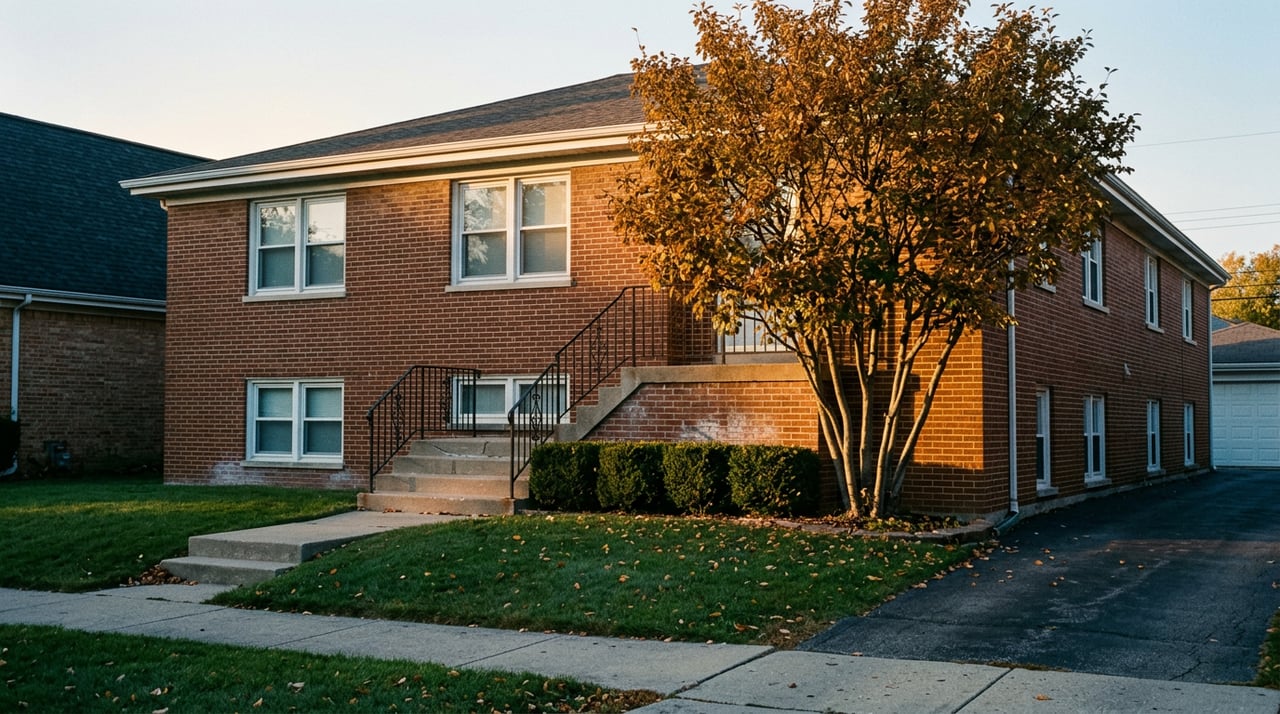
You will also see a mix that leans smaller-scale rather than high-rise. The neighborhood’s housing stock includes 28.2% detached single-family homes, 26.3% two-unit buildings, 16.2% three- or four-unit buildings, and 15.6% five- to nine-unit buildings. Only 7.5% of units are in buildings with 20 or more units.
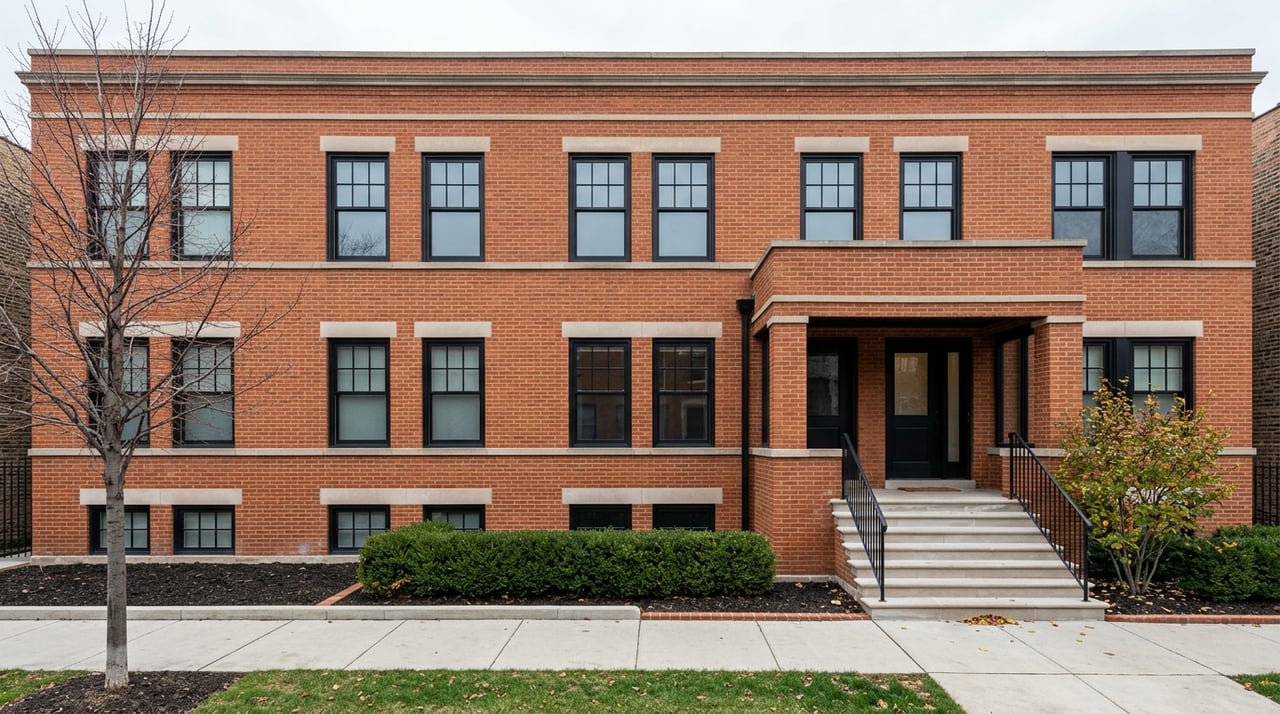
For you as a buyer, that usually means more brick and frame homes, more duplexes and small multifamily properties, and a wider range of property conditions. Some homes may be updated and move-in ready, while others may need repairs or a full renovation plan.
What homes cost right now
Current listing examples show a broad spread in pricing. Active listings recently ranged from a $38,000 HUD home to renovated or larger homes priced around $280,000 to $425,000, with other listings around $199,900, $225,000, $249,000, $270,000, $339,900, and $375,000.
That kind of range tells you something important. In Greater Grand Crossing, condition can affect price as much as square footage or bedroom count. A lower list price may reflect repair needs, while a higher list price may reflect updates, size, or a more polished presentation.
If you are a first-time buyer or value-conscious buyer, that creates options. If you want a move-in-ready home, you may need to plan for the upper $200,000s or low $300,000s. If you are comfortable taking on repairs, you may find lower entry points.
How Greater Grand Crossing compares nearby
If you are still deciding where to focus your home search, it helps to compare this neighborhood with nearby South Side markets.
| Neighborhood | Median Sale Price |
|---|---|
| South Shore | $143,952 |
| Greater Grand Crossing | $237,420 |
| Chatham | $318,809 |
| Bronzeville | $329,889 |
| Woodlawn | $346,883 |
This comparison shows Greater Grand Crossing sitting in a value-with-upside position. It is more expensive than South Shore, but still lower than several neighborhoods that often come up in the same buyer search.
Transit and day-to-day access
Transit access is a real part of the buying conversation here. The CTA 69th Red Line station at 15 W. 69th St. is accessible and served by bus routes 29, 30, 67, 71, 169, and N5. The CTA 79th Red Line station at 15 W. 79th St. is also accessible and served by routes 8A, 24, 29, 75, and 79.
Metra also serves the area through the 75th Street Grand Crossing station at 75th Street and South Chicago Avenue, with connections to CTA routes 30 and 75. That gives buyers another option for getting around.
CMAP data adds important context. In Greater Grand Crossing, 39.1% of households have no vehicle available, 28.8% of workers commute by transit, and the mean commute time is 39.0 minutes.
For you, that means a car can be helpful, but it may not always be necessary. It also means station and bus-route proximity can have a meaningful effect on convenience and future resale appeal.
What to watch during your search
In a neighborhood with older housing stock, careful due diligence matters. Many homes were built long before modern building standards, and some active listings are marketed as-is or described as needing TLC.
When you tour homes, pay close attention to these items:
- Roof condition
- Masonry and tuckpointing
- Windows
- Porches
- Electrical systems
- Plumbing
- Basement moisture
- Drainage around the home
- Permit history
These are not small details in an older Chicago housing market. They can shape your repair budget, financing choices, and how confident you feel once you move in.
Why block-by-block analysis matters
Headline pricing does not tell the whole story in Greater Grand Crossing. CMAP reports a 19.8% vacancy rate, and its 2022 profile found that 45.0% of residential sales were purchased by investor buyers.
That combination suggests conditions can vary quite a bit from one block to the next. One street may show better upkeep or more updated housing, while another may have more visible vacancies or homes needing work.
This is why it is smart to compare recent sold properties on the same block or very nearby blocks before making an offer. A neighborhood average is useful, but block-level context can give you a much clearer picture of value.
Is Greater Grand Crossing a fit for first-time buyers?
It can be, especially if you want more price flexibility than you may find in some nearby neighborhoods. The broad listing range means you may be able to choose between buying a lower-cost property with repair needs or stretching into a more updated home.
The tradeoff is that first-time buyers need to be realistic about condition. An affordable list price can look exciting at first, but repair costs, inspection findings, and financing limits can change the math quickly.
If you are buying your first home here, it helps to go in with a clear budget, a repair cushion if possible, and a strategy for separating cosmetic updates from major system issues.
Why small multifamily buyers pay attention here
Greater Grand Crossing stands out for buyers interested in duplexes and small multifamily buildings. The share of two-unit, three-unit, and four-unit housing is a meaningful part of the neighborhood’s overall stock.
That can make the area especially relevant if you are exploring a house-hack or a small investment purchase. At the same time, older small multifamily buildings need careful inspections and realistic repair planning, especially around masonry, porches, plumbing, and electrical systems.
For buyers considering this type of purchase, strong numbers start with buying the right building at the right condition level. A better price upfront does not always mean a better deal long term if major repairs are waiting.
A smart buying strategy for Greater Grand Crossing
If you are serious about buying in Greater Grand Crossing, a clear plan can help you avoid expensive surprises.
Start with your property type
Decide early whether you want a single-family home, a two-unit, or a small multifamily property. The neighborhood offers all three, and each one comes with a different budget, maintenance profile, and long-term plan.
Match your budget to condition
Do not look at price alone. A lower-priced home may require enough work to push your true cost above a more updated property.
Focus on block-level comps
Recent sales nearby can help you understand whether a listing is priced fairly. This step matters even more in a neighborhood where vacancy and condition vary from block to block.
Take inspections seriously
Older homes can hide expensive issues. A careful inspection gives you better information for negotiations and helps you plan your next steps with fewer surprises.
Think about access and resale
Transit access, commute patterns, and day-to-day convenience all affect how a home may work for you now and in the future. If you may sell later, these practical details can matter just as much as finishes.
The bottom line on buying here
Greater Grand Crossing can be a strong option if you want a Chicago neighborhood with lower pricing than several nearby South Side markets, a mix of single-family and small multifamily housing, and access to transit. It is not a market where you should buy based on list price alone, though.
The best opportunities usually come from understanding the property’s condition, comparing the block carefully, and knowing whether you want a turnkey home or a project. When you approach the neighborhood with good local guidance and a clear strategy, you can make a more confident move.
If you are exploring homes, duplexes, or small multifamily opportunities in Greater Grand Crossing, Larita Thomas can help you sort through the options and build a smart buying plan.
FAQs
What is the median home price in Greater Grand Crossing Chicago?
- The median sale price in Greater Grand Crossing was $237,420 in May 2026.
What types of homes are common in Greater Grand Crossing Chicago?
- The neighborhood includes detached single-family homes, two-unit buildings, three- and four-unit buildings, and other small multifamily properties, with much of the housing stock built before 1940.
Is Greater Grand Crossing Chicago good for first-time homebuyers?
- It can be a practical option for first-time buyers who want more price flexibility, but older housing and varying property condition make inspections and repair planning especially important.
Is transit access strong in Greater Grand Crossing Chicago?
- The neighborhood is served by the CTA Red Line at 69th and 79th, several bus routes, and the Metra 75th Street Grand Crossing station, giving buyers multiple transit options.
What should buyers inspect in older Greater Grand Crossing homes?
- Buyers should closely review the roof, masonry, tuckpointing, windows, porches, electrical, plumbing, basement moisture, drainage, and permit history.
How does Greater Grand Crossing compare with nearby South Side neighborhoods?
- Greater Grand Crossing is priced above South Shore but below Chatham, Bronzeville, and Woodlawn, which makes it a value-oriented middle option for many buyers.