Thinking about making Hyde Park your home? With its lakefront parks, historic architecture, and the University of Chicago nearby, the neighborhood has a lot to love. Buying here can feel different than other parts of Chicago, especially with a mix of condos, cooperatives, and vintage single-family homes. This guide lays out a clear, step-by-step path so you know what to expect from first tour to closing. Let’s dive in.
Why Hyde Park works for buyers
Hyde Park blends cultural anchors, tree-lined streets, and convenient transit. You get proximity to the University of Chicago, the Museum of Science and Industry, and lakefront spots like Promontory Point and Jackson Park.
Housing options range from pre-war masonry buildings converted to condos or co-ops to mid-century towers, townhomes, and a selection of single-family homes. This variety gives you choices at different price points and sizes.
If you plan renovations, know that parts of Hyde Park fall within historic or landmark districts. Exterior work like masonry repairs or window changes may need review and permits. Always verify building permit and landmark requirements before committing to a major project.
Transit access is another draw. Metra Electric and major bus corridors help with downtown commutes, and local parking rules vary by building. If you own a car, review parking policies early.
Step-by-step buying roadmap
1) Set your budget and monthly plan
Start by mapping your full cost picture. Include mortgage principal and interest, property taxes, homeowner’s insurance, and monthly assessments or co-op maintenance. Add utilities and a maintenance cushion, especially in older buildings.
If you are buying a condo or co-op, study how assessments are structured. Some co-ops include property taxes and certain utilities in the monthly maintenance. Make sure your lender accounts for these correctly.
2) Get pre-approval with the right lender
Secure a mortgage pre-approval from a lender experienced with Chicago condos and co-ops. Co-op loans are different from condo loans, and not all lenders offer them. A strong pre-approval clarifies your down payment, cash reserves, and financing options.
If you plan to use FHA or VA financing for a condo, confirm whether the building meets project approval requirements. This can influence your building shortlist and offer timing.
3) Define local must-haves
List your non-negotiables tied to Hyde Park living. Consider commute routes, proximity to campus or hospitals, and whether you need deeded parking or strong street parking. If you have pets, review building pet policies, breed or weight limits, and nearby green space.
For school needs, compare attendance boundaries and transportation options in a neutral, fact-based way. Factor in your daily routines and how you’ll use the neighborhood.
4) Plan a smart touring cadence
A practical Hyde Park touring day includes 3 to 6 showings. Reserve 30 to 60 minutes for each unit plus time to walk common areas like the lobby, basement, bike storage, mail room, roof access, and parking.
Aim for weekday evenings or weekends to see typical activity. During showings, look at natural light, storage, windows and doors, visible mechanicals, and any signs of water intrusion. In vintage buildings, pay attention to radiators, boilers, and electrical panels.
5) Request building documents early
Ask for the condo resale packet or co-op information package as soon as you are serious about a building. For condos, request the declaration and bylaws, budget, financial statements, reserve study, recent board minutes, insurance certificate, house rules, and litigation disclosures.
For co-ops, seek bylaws, the proprietary lease, financials and budget, board policies on subletting, and details on the application and interview process. Review 12 to 24 months of board minutes to spot recurring issues or planned projects.
6) Make a strong, clean offer
Structure your offer with realistic timelines and contingencies. Use earnest money consistent with local customs and the competitiveness of the property. If the listing is a condo, include the request for the condominium resale packet. If it is a co-op, expect a formal board package and interview later.
Ask the seller or manager for clarity on any pending or recently approved special assessments. If the building is planning major capital work, build that into your budget and negotiations.
7) Use the right contingencies
Common Hyde Park buyer protections include:
- Financing contingency for loan approval.
- General home inspection contingency for unit and visible systems.
- Appraisal contingency if you are financing.
- Attorney and title review contingency.
- Condo or co-op document review contingency to analyze budgets, reserves, rules, litigation, and planned projects.
- Co-op board approval contingency where applicable.
- Sale of buyer’s home contingency if needed, but use carefully in competitive situations.
8) Move from contract to closing
After acceptance, schedule inspections. Your attorney will review the contract, title, and building documents. The lender orders the appraisal. For condos and co-ops, confirm assessment prorations and responsibility for any special assessments.
Plan for a final walk-through to verify agreed repairs and the unit’s condition. On closing day, funds are transferred, documents are signed, and the deed is recorded. For co-ops, ownership is transferred through shares and a proprietary lease rather than a deed.
9) Timeline expectations
In Chicago, most closings land around 30 to 45 days, depending on loan type and building requirements. Co-op board approvals can add 2 to 6 weeks after your application is submitted. Build in extra time for board interviews and any required personal documentation.
Condo vs. co-op vs. single-family
Condominiums
You own your unit plus a percentage of common elements. Key items to review include the declaration and bylaws, rules and regulations, current budget and financial statements, reserve study, recent board minutes, and insurance certificate. Check for any pending litigation and confirm rental and renovation policies.
Financing is similar to other condos in Chicago. If you want to use FHA or VA financing, confirm project approval status early.
Cooperatives (co-ops)
You purchase shares in a corporation and receive a proprietary lease for your unit. Co-ops typically require board approval and can have strict financial standards. Plan for an in-depth application with tax returns, bank statements, and reference letters.
Financing uses share loans, and down payment requirements can differ from condos. Maintenance fees often include a share of building expenses, property taxes, and sometimes utilities. Read the bylaws, proprietary lease, financials, sublet policies, and board minutes carefully before proceeding.
Single-family homes and townhomes
Due diligence is straightforward: a full inspection, title search, and a current survey. For older homes, factor in roof, masonry, sewer, and electrical evaluations. Confirm past permits and verify if any work required approvals under local rules.
Inspections and vintage building issues
Age and systems to scrutinize
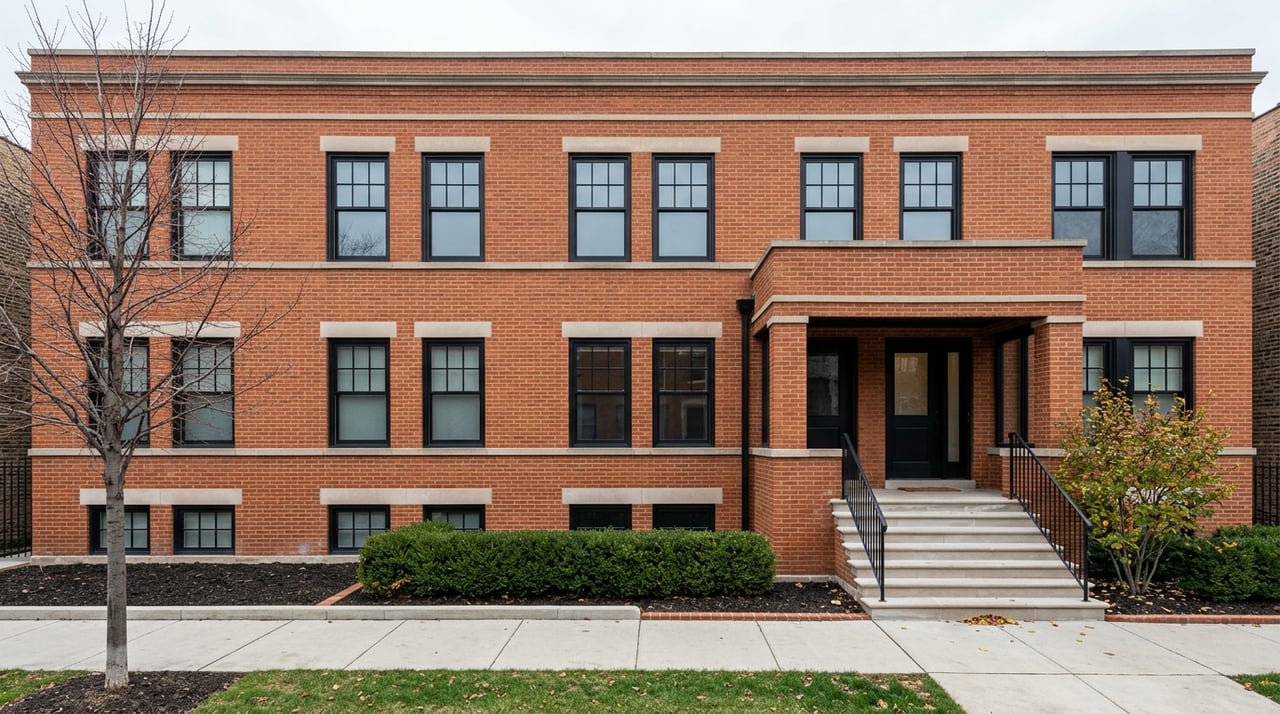
Hyde Park’s many pre-war masonry buildings offer charm and solid construction. They can also come with older boilers or radiator systems, aging electrical panels, and window or parapet maintenance needs. Look for signs of water infiltration and ask about recent tuckpointing and roof work.
If the building has an elevator, ask about service and replacement plans. In very old buildings, inspectors may flag potential asbestos or lead-based paint in pre-1978 units. Lead disclosure rules apply, and testing or mitigation advice may be recommended.
Assessments, reserves, and capital projects
Older buildings sometimes have underfunded reserves. Review the reserve study and 12 to 24 months of board minutes for clues on upcoming projects. Ask directly about the last roof, boiler, window, tuckpointing, or elevator work, how it was funded, and whether more work is planned.
Special assessments can change monthly carrying costs. Clarify if any are pending and who will be responsible at closing.
Flooding and sewer considerations
Proximity to Lake Michigan and park lagoons means localized flooding can occur during heavy storms. Chicago also has combined sewers in many areas, which can contribute to backups. Ask whether the building carries flood or sewer backup coverage and whether you need separate riders.
A sewer scope can be helpful for single-family homes or ground-level units. For condos, ask the association about past water issues and mitigation steps.
Financing, taxes, and assistance
The right financing fit
Partner with a lender who understands Chicago condos and co-ops. Ask about appraisal processes in buildings with rental caps or recent assessments. If you’re considering FHA or VA for a condo, verify project eligibility early to avoid delays.
Co-op buyers should confirm which lenders offer share loans and what down payment and reserve guidelines apply. Clarify how monthly maintenance, including taxes or utilities, affects your debt-to-income ratio.
Property taxes and appeals
Cook County property taxes are a meaningful part of your budget. Review the current tax bill, understand how exemptions work, and note the local appeals calendar. At closing, taxes are prorated, so confirm how prorations and any outstanding bills will be handled.
Assistance programs for first-time buyers
Explore Illinois Housing Development Authority mortgage products and City of Chicago buyer assistance programs. Availability and eligibility can change, so check the latest guidelines. These programs can help with down payment or closing costs if you qualify.
Closing costs and transfer taxes
Expect lender fees, title insurance, attorney fees, appraisal, recording and transfer costs, and prorations for taxes and assessments. Chicago and Cook County have specific transfer and recording charges. Your attorney or title company can provide precise estimates based on your loan and the property type.
Build your Hyde Park team
- Real estate agent with Hyde Park experience and condo/co-op know-how.
- Illinois real estate attorney for contract, title, and building document review.
- Mortgage lender familiar with Chicago condo and co-op underwriting.
- Licensed home inspector who knows vintage Chicago masonry buildings.
- Structural engineer if building-wide or structural issues are suspected.
- Title company or closing attorney versed in Cook County procedures.
- Building manager or superintendent who can answer day-to-day operational questions.
When your team communicates well, your search, offer, and closing move more smoothly. It also helps you spot risks early and negotiate from a position of strength.
Next steps
Buying in Hyde Park is about pairing neighborhood knowledge with careful due diligence. With a clear plan, the right contingencies, and a team that knows condos and co-ops, you can move confidently from first tour to keys-in-hand.
If you are ready to start, schedule a friendly strategy call with Larita Thomas. We will align your budget, wish list, and timeline, then map a touring plan and get your offer purchase-ready.
FAQs
How does co-op board approval work in Hyde Park?
- Most co-ops require a formal application and interview. Approval can take 2 to 6 weeks after submission, so build that time into your contract timeline.
What condo documents should I review before I offer?
- Ask for the condo resale packet: declaration and bylaws, rules, current budget and financials, reserve study, recent board minutes, insurance certificate, and any pending litigation disclosures.
Are special assessments common in older buildings?
- They can be. Review reserve studies and recent board minutes, and ask directly about planned projects. Special assessments can significantly affect monthly costs.
How long does a typical Chicago closing take?
- Many closings take 30 to 45 days, depending on financing and building requirements. Co-op board approvals can extend the timeline by several weeks.
How do taxes and HOA or co-op fees affect my budget?
- Property taxes and monthly assessments are major parts of your monthly payment. Include them in your lender pre-approval and debt-to-income calculations from the start.