If you want to invest in a small multi-family property in Calumet Heights, the opportunity is real, but so is the need for discipline. This is not the kind of neighborhood where you can rely on fast appreciation or sky-high rents to bail out a weak deal. Instead, you need to understand the local housing stock, realistic rent ranges, and the day-to-day details that make a 2-to-4 unit building perform well. Let’s dive in.
Why Calumet Heights Stands Out
Calumet Heights is a smaller Chicago community area with an older housing base and a high share of owner-occupied homes. According to CMAP neighborhood data, the area has 11,645 residents, 5,521 households, 70.5% owner-occupancy, and an 8.8% vacancy rate. Those numbers point to a market that feels steadier than trend-driven.
That matters if your goal is to buy a duplex, triplex, or four-unit building with a long-term mindset. Instead of chasing a flashy story, you are looking at a neighborhood where established households and stable occupancy may matter more than rapid growth.
Small Multi-Family Supply Is Limited
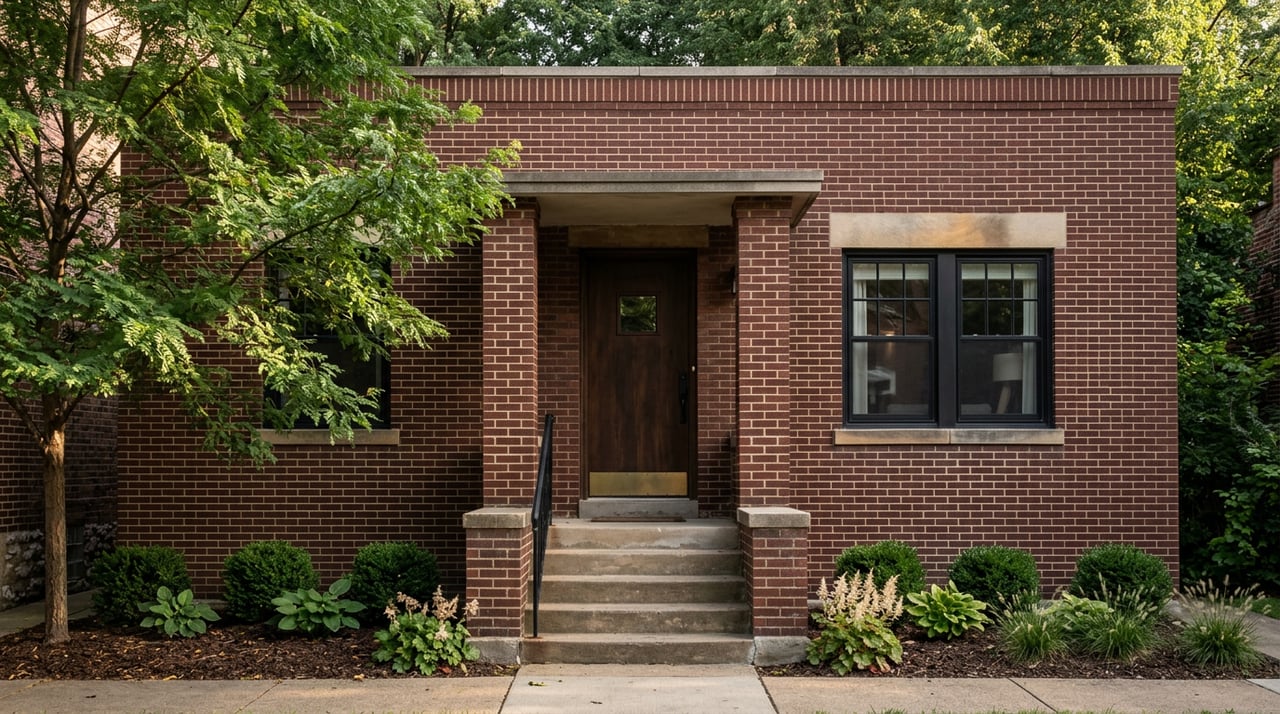
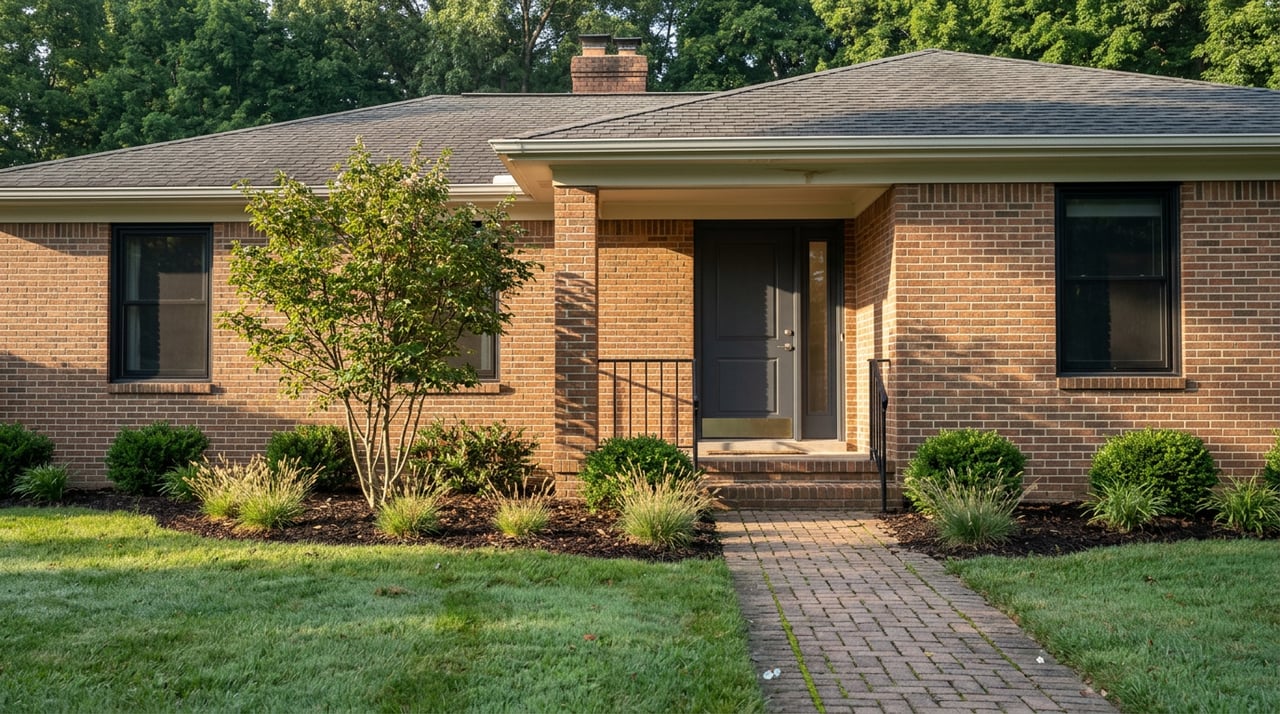
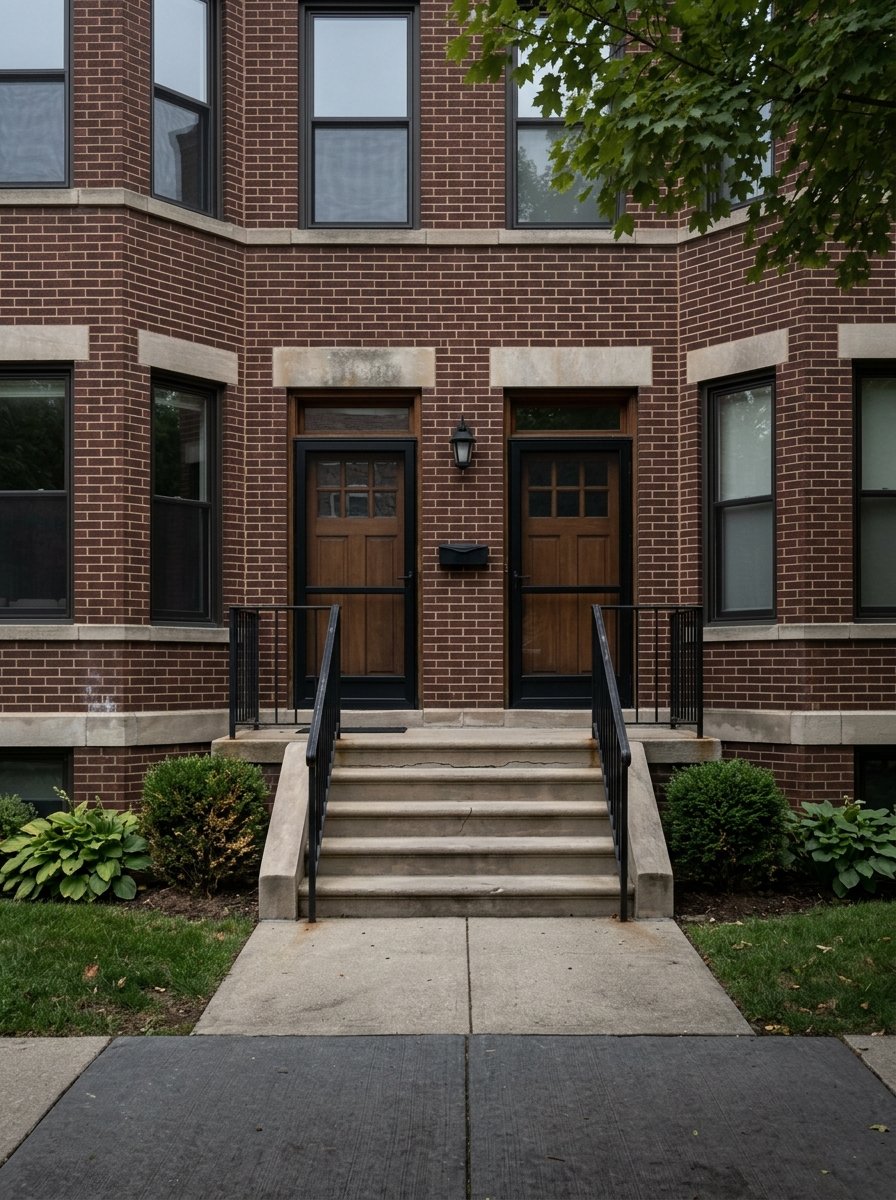
One of the first things to know is that small multi-family inventory in Calumet Heights is not endless. The housing mix is still led by detached single-family homes, with CMAP reporting 69.6% single-family detached, 6.7% in 2-unit buildings, and 13.1% in 3- or 4-unit buildings.
That limited supply helps explain why the right building can attract attention. A local housing profile also showed that 33.0% of residential sales in 2022 were purchased by investor buyers, compared with 15.8% citywide, while the median residential sale price was $175,000 versus $323,500 for Chicago overall, based on the Calumet Heights Housing Profile.
Current listings also suggest a thin market. Redfin neighborhood snapshot data cited in the housing profile showed just 3 multi-family homes for sale in Calumet Heights, with a median listing price of $335,000 and typical market time of 37 days. For you, that means patience matters, and strong properties may not sit around for long.
What Kind of Investor Fits Here
Calumet Heights tends to make the most sense for house-hackers and small investors who want a manageable entry point and steady performance. Purchase prices are lower than the citywide median, but rents are also much lower than many other parts of Chicago.
That creates a market where buying well is critical. If you overpay, thin margins can show up quickly. If you buy a well-maintained building with a functional layout, parking advantages, and controlled expenses, the property may be better positioned for consistent occupancy and practical cash flow.
Rent Expectations in Calumet Heights
When you underwrite a deal here, you need to stay realistic about rent ceilings. As of April 2026, Apartments.com reported average apartment rents of $896 for a one-bedroom, $1,060 for a two-bedroom, and $1,185 for a three-bedroom in Calumet Heights.
The same source also showed active asking-rent examples that skewed somewhat higher, including roughly $945 to $1,025 for one-bedrooms, $1,250 to $1,425 for two-bedrooms, and $1,350 to $2,000 for three-bedrooms. That spread tells you an important story: layout, condition, and building presentation can affect pricing, but you still need to stay anchored to the neighborhood, not citywide averages.
For context, Apartments.com also shows much higher average rents across Chicago overall. So if you are comparing Calumet Heights to more expensive submarkets, remember that this is a lower-rent environment. Your deal has to work on local numbers.
Best Unit Mix for the Area
The local data suggests that two-bedroom and three-bedroom units may be the best fit for many investors in Calumet Heights. CMAP reports that 44.8% of households are one-person households and 33.3% are two-person households, with a median household income of $68,355, based on the community area profile.
While no dataset can predict every tenant decision, this household profile supports a practical takeaway: larger, family-sized or flexible layouts may offer the strongest fit in a neighborhood where room count and functionality matter. If you are comparing a small one-bedroom-heavy building to a property with solid two- and three-bedroom layouts, the latter may align better with local demand.
Older Buildings Need Careful Underwriting
The age of the housing stock is one of the biggest parts of the investment story here. CMAP data shows a median year built of 1951, with 60.0% of units built from 1940 to 1969 and 30.1% built before 1940.
That means you should expect older systems and more capital planning than you might find in a newer area. Roofs, tuckpointing, plumbing, boilers, electrical updates, windows, and basement moisture control may all deserve close attention during inspections and due diligence.
The upside is that older buildings often offer larger room counts and practical layouts. In a neighborhood where moderate rents can make every expense line matter, a building with solid bones and fewer deferred maintenance issues can be much more valuable than one with flashy cosmetic updates alone.
Parking Can Matter More Than You Think
In Calumet Heights, parking is not a small detail. CMAP transportation data shows that 52.3% of occupied households have one vehicle and 24.6% have two vehicles. It also reports that 57.9% of workers drive alone, while 14.2% use transit.
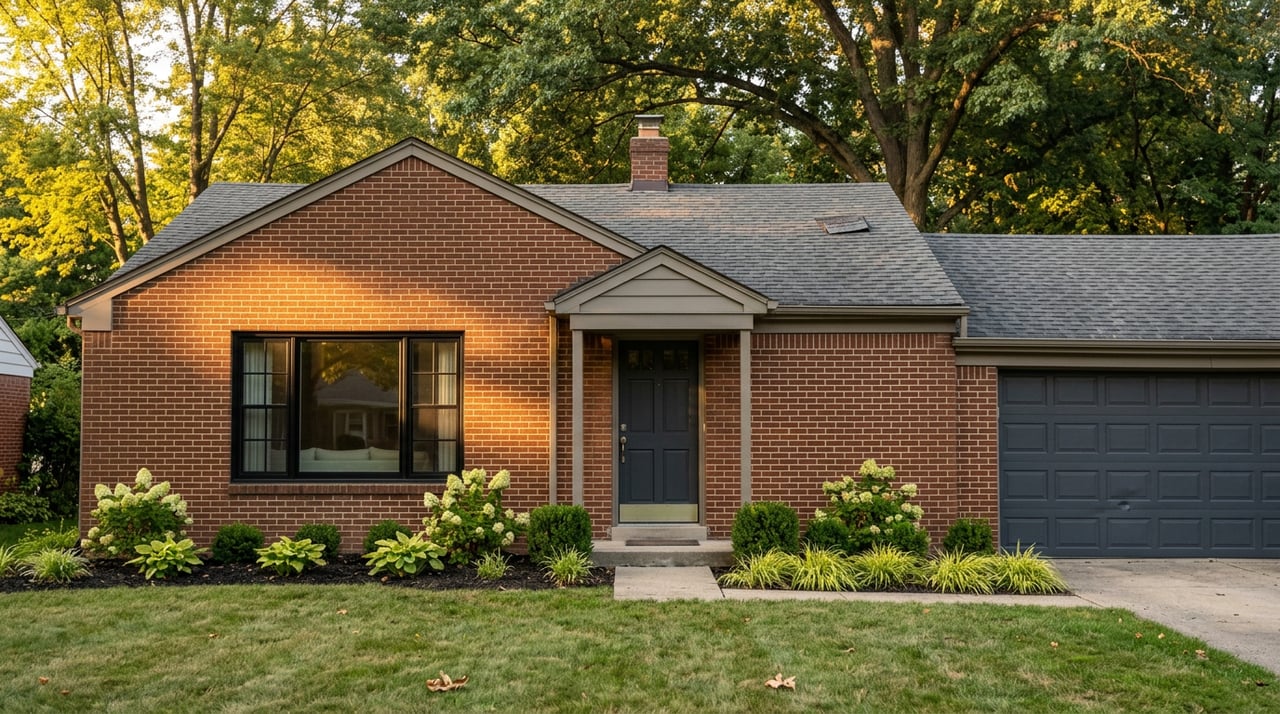
That pattern suggests a car-oriented renter base for at least part of the market. If a building has a garage, pad parking, or easy street parking, that convenience may support tenant interest and retention.
When rents are more modest, these practical features can make a real difference. A clean, functional apartment plus easy parking may outperform a similar unit with more friction around daily living.
Landlord Rules for Chicago Properties
If you are buying in Calumet Heights, remember that this is Chicago, not suburban Cook County. The Chicago Residential Landlord and Tenant Ordinance guide applies to rental agreements for dwelling units in the city, but owner-occupied buildings with six units or fewer are excluded except for certain sections.
That is especially important if you plan to house-hack a duplex, triplex, or four-flat. You should not assume the rules work exactly the same way they do for a larger non-owner-occupied building.
The same guide also makes clear that the Cook County Residential Tenant Landlord Ordinance is for suburban Cook County, not Chicago. For a Calumet Heights property, you need to focus on the city ordinance and how it applies to your ownership setup.
How to Evaluate a Deal Here
A good Calumet Heights small multi-family deal usually starts with realistic expectations and a simple checklist. You are not just buying units. You are buying condition, layout, parking, and the ability to keep operating costs in line.
Here are a few practical factors to weigh:
- Acquisition price: Lower entry points can be a strength, but only if the deal still works after repairs and reserves.
- Unit mix: Two-bedroom and three-bedroom units may fit the neighborhood better than smaller layouts.
- Building condition: Older systems can quickly change your numbers.
- Utilities: Separate utilities may help control expenses.
- Parking: Garages, pads, or easy street parking can add leasing appeal.
- Occupancy stability: High owner-occupancy in the neighborhood can support a steadier overall feel.
The strongest opportunities are often the properties that look ordinary on paper but check the right operational boxes.
Bottom Line on Investing Here
Calumet Heights can make sense if you are looking for a value-conscious entry into Chicago small multi-family investing. The neighborhood offers lower purchase prices than Chicago overall, a real but limited supply of 2-to-4 unit buildings, and a more stable owner-occupied backdrop than many buyers expect.
At the same time, this is not a market for loose underwriting. Modest rents, older buildings, and thin inventory mean your margin for error can be smaller. The buyers who tend to do best here are the ones who buy carefully, respect the age of the housing stock, and focus on steady performance over hype.
If you are thinking about buying a duplex, triplex, or four-flat in Calumet Heights, working with a team that understands small multi-family analysis, neighborhood-level inventory, and investor-friendly deal evaluation can help you move with more confidence. If you want local guidance on buying, selling, or evaluating a small multi-family property, connect with Larita Thomas for a consultation.
FAQs
Is Calumet Heights a good area for small multi-family investing?
- Calumet Heights may be a fit if you want a lower entry price, stable neighborhood characteristics, and a long-term approach, but success depends on disciplined underwriting and careful property selection.
What rent levels should investors expect in Calumet Heights?
- As of April 2026, Apartments.com reported average rents of $896 for one-bedrooms, $1,060 for two-bedrooms, and $1,185 for three-bedrooms, with some active listings asking higher depending on condition and layout.
What types of multi-family properties are most common in Calumet Heights?
- CMAP data shows that 2-unit buildings make up 6.7% of housing stock and 3- or 4-unit buildings make up 13.1%, so small multi-family properties are present but limited compared with single-family homes.
What are the biggest risks with Calumet Heights multi-family properties?
- The main risks include older building systems, parking limitations, and narrow margins if you buy at too high a price for the local rent levels.
Do Chicago landlord rules apply to Calumet Heights rental properties?
- Yes, Calumet Heights is in Chicago, so the Chicago Residential Landlord and Tenant Ordinance is the relevant city rule set, although owner-occupied buildings with six units or fewer are excluded except for certain sections.
Is parking important for Calumet Heights rental units?
- Yes, local transportation data suggests many households have one or two vehicles, so garages, pad parking, or easy street parking can improve leasing appeal and tenant retention.